
The Garden of the Episcopal Church
There is something deeply comforting about thinking of the Episcopal Church as a garden.
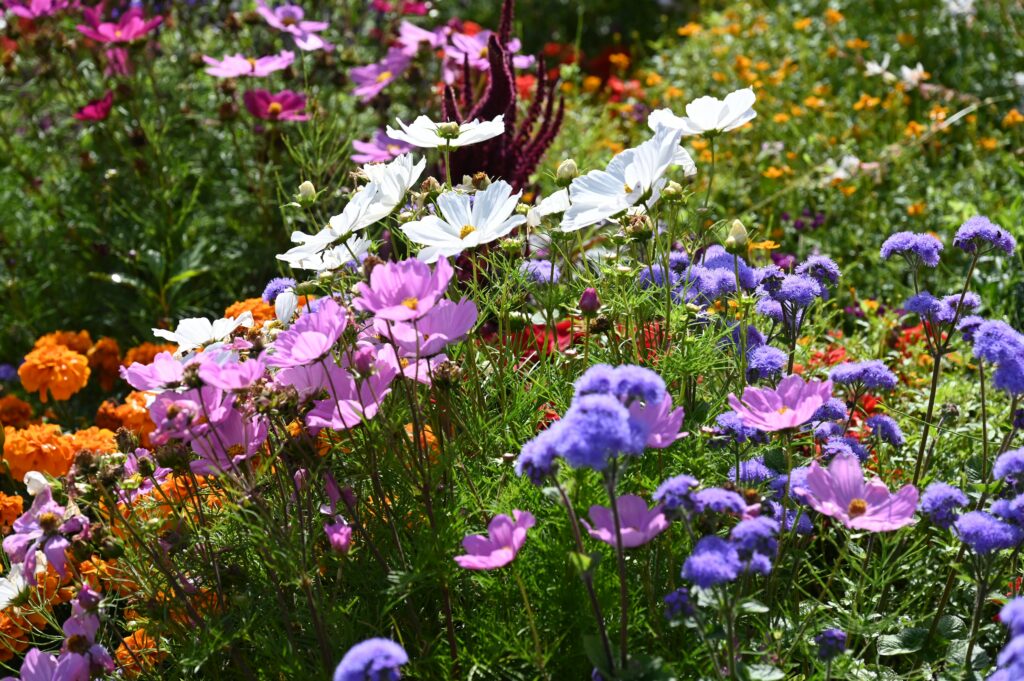
Not a perfectly manicured one, where every plant is trimmed to the same height and every flower blooms on schedule, but a living, breathing garden. One that is sometimes wild, sometimes quiet, sometimes overflowing with color, and sometimes resting beneath the surface. A garden that holds space for difference, for growth, for change, and for beauty in all its forms.
No Two Plants Are the Same
In a garden, no two plants are the same. Some stretch tall toward the sun, while others grow low and close to the ground. Some bloom in bright, bold colors that demand attention. Others are subtle, their beauty revealed only to those who take the time to look closely. Some thrive in direct sunlight; others need shade and shelter to flourish.
The Episcopal Church, at its best, is just like that.
We are a people of many identities, backgrounds, and experiences. We come from different corners of the world, carrying different stories, cultures, and ways of being. We pray in different languages. We worship in different styles. We understand God in ways that are shaped by our own lives.
We Belong in This Garden
And within this garden, disabled people are not weeds to be pulled or problems to be fixed. We are part of the ecosystem. We belong here.
Too often, the world tells disabled people that we are broken, that we need to be changed in order to fit. But gardens don’t work that way. A garden doesn’t ask a fern to become a rose. It doesn’t expect a vine to stand upright like a tree. Instead, it creates space for each plant to grow according to its nature.
Accessibility as Part of the Soil
What if the Church fully embraced that vision?
What if accessibility was not an afterthought, but part of the soil itself, something that nourishes everyone? What if ramps, captions, flexible liturgies, and sensory-aware spaces were seen not as accommodations, but as natural features of a healthy garden?
In a thriving garden, diversity is not just tolerated, it is essential. Different plants support one another. Some provide shade. Some enrich the soil. Some attract pollinators that allow the whole garden to grow. The beauty of the garden comes not from sameness, but from the interplay of differences.
The Gifts We Bring
Disabled people contribute to the Church in the same way.
We bring perspectives shaped by resilience, by creativity, by navigating a world not built for us. We understand interdependence, not as weakness, but as truth. We remind the Church that no one thrives alone, that we are all connected, that we all need care at different times.
Tending the garden of the Church means listening. It means asking what is needed and being willing to change. It means recognizing that accessibility is not a burden, but an opportunity for deeper inclusion. It means understanding that when we make space for those who have been pushed to the margins, we enrich the whole community.
Seeds of Hope and Growth
And there is hope here, too.
Because gardens are places of growth.
Seeds planted today may not bloom tomorrow, but with care and patience, they will grow. Every ramp built, every caption added, every voice amplified is like planting something new. Over time, these small acts create a more vibrant, more welcoming, more faithful garden.
The Episcopal tradition already gives us a strong foundation for this work. We speak of the dignity of every human being. We value both tradition and adaptation. We make room for questions, for complexity, for the unfolding of understanding over time.
These are the qualities of a good gardener.
No Single Way to Bloom
For disabled Episcopalians, the image of the garden offers both comfort and challenge. It reminds us that we belong, not as exceptions, but as integral parts of the whole. At the same time, it calls the Church to keep growing, to keep tending, to keep making space for all of God’s creation.
Because in God’s garden, there is no single way to bloom.
Some of us will flourish in ways that are visible and celebrated. Others will grow quietly, sustaining the life of the garden in unseen ways. Some will bloom in every season. Others will need time, rest, and the right conditions to come into fullness.
All of it matters.
All of it is beautiful.
And all of it belongs.
So may we continue to cultivate a Church that looks more and more like a garden, rich with diversity, rooted in love, and open to the many ways God’s people grow.